
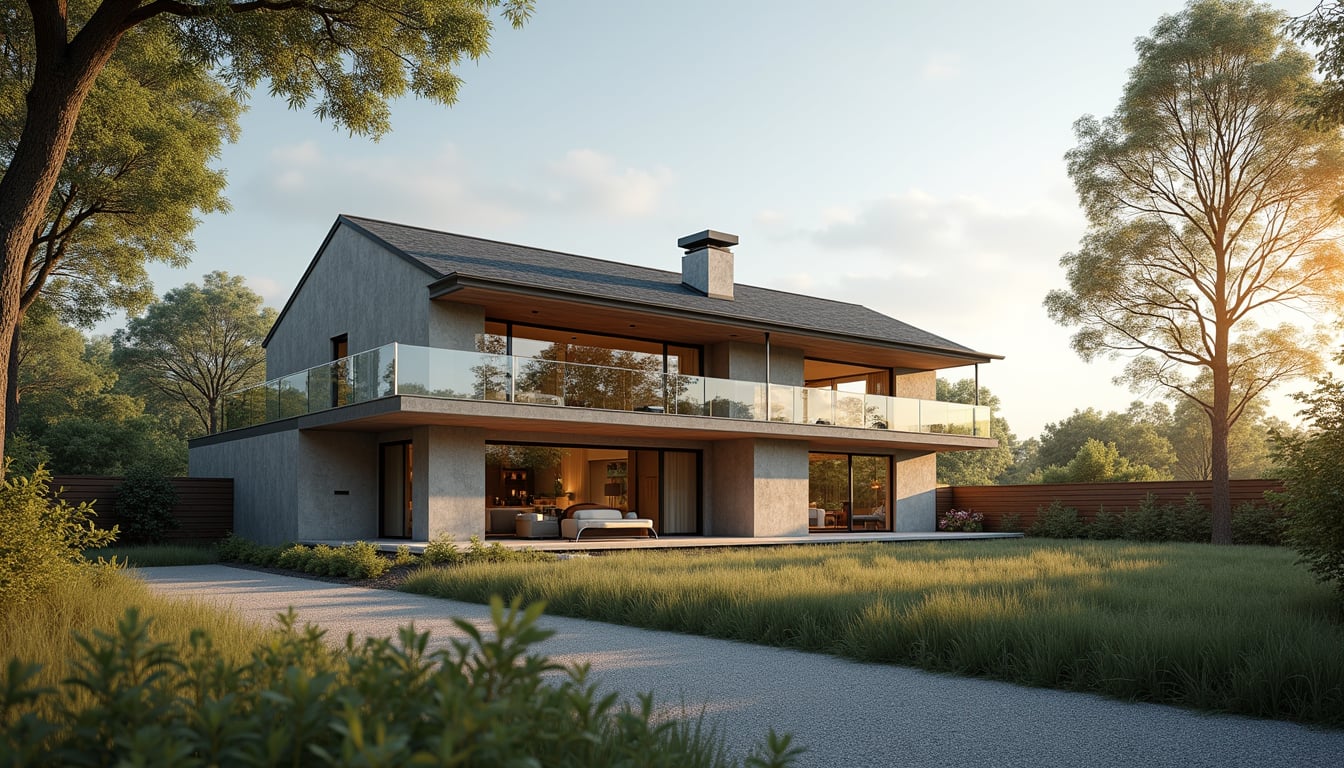
Expanding a home through additions has become a practical solution for many homeowners seeking to increase their living space without relocating. This approach offers the opportunity to customize and enhance a residence while preserving its original character. The process requires careful home expansion planning to ensure that the new space integrates seamlessly with the existing structure and meets the occupants' needs.
The Importance of Home Expansion Planning
Effective home expansion planning is essential to the success of any addition project. It involves assessing the current layout, determining the purpose of the new space, and considering structural and aesthetic factors. A well-thought-out plan minimizes disruptions during construction and maximizes the functionality of the finished addition.
Key considerations during planning include:
- Zoning and Permits: Understanding local regulations and obtaining necessary permits.
- Design Compatibility: Ensuring the addition complements the existing architectural style.
- Budgeting: Establishing a realistic budget that accounts for materials, labor, and contingencies.
- Timeline: Setting a construction schedule that aligns with personal and seasonal factors.
Engaging with professionals who specialize in residential construction can provide valuable insights during this phase. Their expertise helps in navigating regulatory requirements and optimizing design choices.
Types of Home Additions and Their Benefits
Several types of home additions can be considered depending on the desired outcome and available space. Each type offers distinct advantages and can be tailored to specific needs.
Room Additions
Adding a new room, such as a bedroom or office, increases the home's usable area. This option is ideal for growing families or those requiring dedicated workspaces.
Sunrooms and Conservatories
These additions bring natural light into the home and create a connection with the outdoors. They are suitable for relaxation or entertaining guests.
Garage Conversions and Extensions
Transforming or expanding a garage can provide additional living space or storage. This approach often requires less structural modification compared to other additions.
Second-Story Additions
Building upward is a solution when lot size limits horizontal expansion. It allows for significant space increase without altering the home's footprint.
Each type of addition should be evaluated for its impact on the home's value, energy efficiency, and overall functionality.
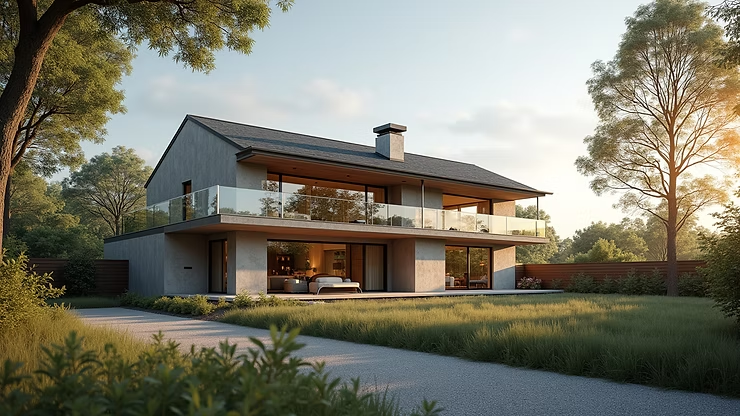
How much does a 20x20 home addition cost?
Understanding the cost implications of a home addition is crucial for effective planning. A 20x20 addition, which provides approximately 400 square feet of new space, can vary widely in price depending on several factors.
Factors Influencing Cost
- Location: Construction costs in Los Angeles tend to be higher due to labor rates and material availability.
- Design Complexity: Custom designs and high-end finishes increase expenses.
- Structural Requirements: Foundation work, roofing, and integration with existing systems add to the cost.
- Permits and Inspections: Fees associated with compliance must be included.
Estimated Cost Range
On average, a 20x20 home addition in Los Angeles may range from $80,000 to $150,000 or more. This estimate includes materials, labor, and permits but excludes interior furnishings.
Cost-Saving Tips
- Opt for standard materials and finishes.
- Plan for energy-efficient features to reduce long-term expenses.
- Work with experienced contractors to avoid costly mistakes.
Obtaining detailed quotes from reputable professionals ensures a clearer understanding of the financial commitment involved.
Integrating Home Additions with Existing Structures
Seamless integration of a new addition with the existing home is vital for both aesthetics and functionality. Several strategies can be employed to achieve this goal.
Architectural Consistency
Matching rooflines, siding materials, and window styles helps maintain a cohesive appearance. Attention to detail in trim and color selection further enhances visual harmony.
Structural Compatibility
Ensuring that the addition's foundation and framing align with the original structure prevents future issues. Proper insulation and weatherproofing are also critical.
Interior Flow
Designing doorways, hallways, and staircases to facilitate easy movement between old and new spaces improves usability. Consideration of natural light and ventilation contributes to comfort.
Landscaping Adjustments
Modifying outdoor spaces to accommodate the addition can enhance curb appeal and functionality. This may include new walkways, patios, or garden areas.
Collaboration with architects and builders experienced in home additions is recommended to address these aspects effectively.
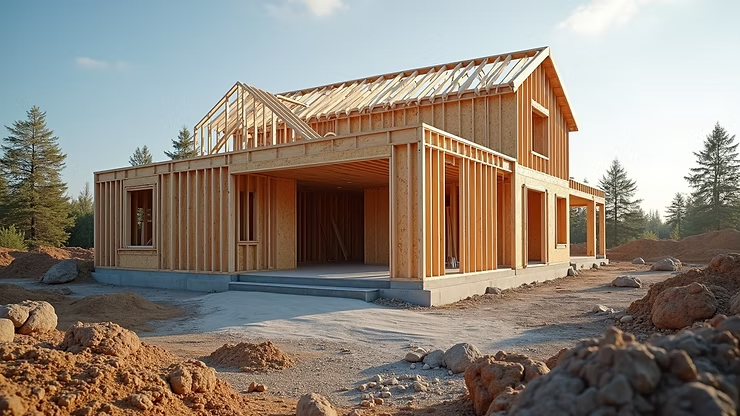
Selecting the Right Professionals for Your Project
Choosing qualified professionals is a decisive factor in the success of a home addition. Expertise in residential construction ensures adherence to quality standards and regulatory compliance.
Criteria for Selection
- Experience: Proven track record with similar projects.
- Licensing and Insurance: Verification of credentials protects against liabilities.
- References and Reviews: Feedback from previous clients provides insight into reliability and workmanship.
- Communication: Clear and consistent dialogue facilitates smooth project management.
Engaging home addition services from a reputable company can streamline the process. Such services typically include design consultation, permit acquisition, construction, and post-completion support.
Final Considerations for Expanding Living Space
Expanding a home through additions represents a significant investment in both time and resources. It is advisable to approach the project with a clear understanding of objectives and constraints.
- Plan Thoroughly: Detailed planning reduces unforeseen challenges.
- Budget Wisely: Allocate funds for contingencies.
- Prioritize Quality: Durable materials and skilled labor ensure longevity.
- Maintain Flexibility: Be prepared to adapt plans as necessary.
By adhering to these principles, the expanded living space will not only meet immediate needs but also enhance the home's value and comfort for years to come.