
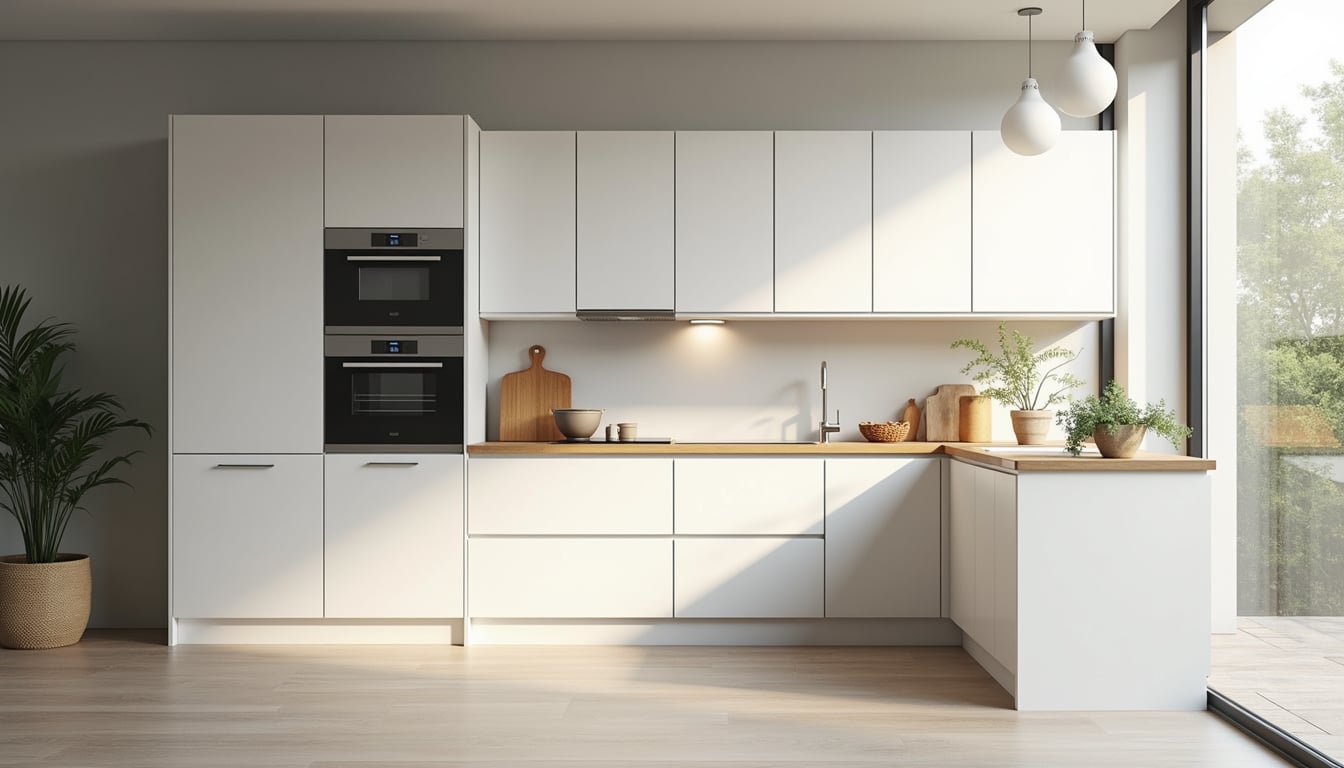
Designing a kitchen that is both functional and stylish requires careful consideration of space, workflow, and aesthetics. The kitchen is often the heart of a home, where meals are prepared and shared, and where family and friends gather. Therefore, it is essential to create a layout that supports efficient use while maintaining an appealing appearance. This article explores key principles and practical steps to achieve a kitchen design that balances utility and style.
Understanding the Basics of Kitchen Design
A well-designed kitchen begins with a clear understanding of the space available and the activities that will take place within it. The layout should facilitate smooth movement between key areas such as the sink, stove, and refrigerator, often referred to as the kitchen work triangle. This concept minimizes unnecessary steps and enhances efficiency.
When planning a kitchen design, it is important to consider the size and shape of the room. Common layouts include:
- L-shaped: Utilizes two adjacent walls, suitable for open-plan spaces.
- U-shaped: Encloses the cook on three sides, providing ample counter space.
- Galley: Features two parallel counters, ideal for narrow kitchens.
- Island: Incorporates a central workspace, offering additional storage and seating.
Each layout has its advantages and should be selected based on the specific needs and dimensions of the kitchen.
Key Elements in Kitchen Design
Several elements contribute to the overall functionality and style of a kitchen. These include cabinetry, countertops, appliances, lighting, and flooring. Each component should be chosen with both practicality and aesthetics in mind.
Cabinetry and Storage
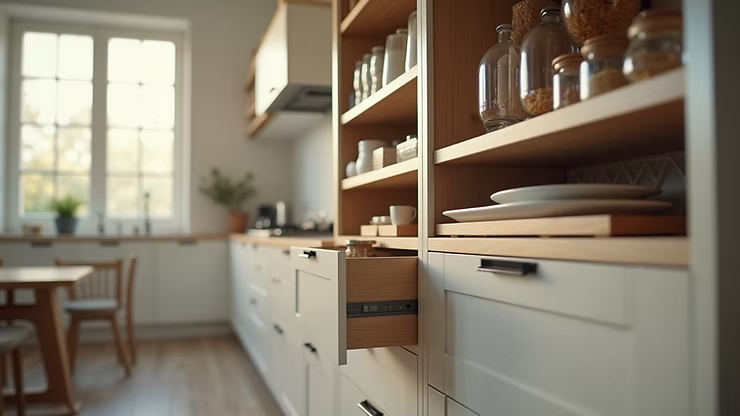
Cabinets provide essential storage and significantly influence the kitchen’s appearance. It is advisable to select cabinetry that maximizes space while complementing the design theme. Options such as pull-out shelves, lazy Susans, and deep drawers can improve accessibility and organization.
Countertops
Countertops must be durable and easy to maintain. Materials like quartz, granite, and solid surface are popular for their resilience and visual appeal. The countertop layout should allow sufficient workspace near cooking and cleaning areas.
Appliances
Appliances should be selected based on size, efficiency, and integration with the kitchen design. Built-in appliances create a seamless look, while freestanding units may offer more flexibility.
Lighting
Proper lighting enhances both functionality and ambiance. A combination of task lighting, ambient lighting, and accent lighting is recommended. Under-cabinet lights can illuminate work surfaces, while pendant lights add style above islands or dining areas.
Flooring
Flooring materials must withstand heavy use and be easy to clean. Options such as tile, hardwood, and vinyl are common choices. The flooring should also harmonize with the overall kitchen design.
Practical Steps for Effective Kitchen Layout Planning
Effective kitchen layout planning involves a systematic approach to ensure that all elements work together harmoniously. The following steps provide a framework for this process:
- Assess the Space: Measure the kitchen dimensions accurately, noting the location of doors, windows, and utilities.
- Define the Work Zones: Identify areas for cooking, cleaning, storage, and preparation.
- Plan the Work Triangle: Position the sink, stove, and refrigerator to minimize walking distance.
- Select a Layout: Choose a layout that fits the space and supports the workflow.
- Incorporate Storage Solutions: Design cabinetry and shelving to maximize storage capacity.
- Choose Materials and Finishes: Select durable and visually cohesive materials for surfaces and fixtures.
- Consider Lighting and Ventilation: Ensure adequate lighting and proper ventilation for comfort and safety.
- Review and Adjust: Evaluate the plan for potential improvements and make necessary adjustments.
For those seeking professional assistance, kitchen layout planning services can provide expert guidance tailored to specific needs.
Balancing Functionality and Style
Achieving a balance between functionality and style requires thoughtful design choices. While efficiency is paramount, the kitchen should also reflect personal taste and complement the home’s overall decor.
- Color Palette: Neutral tones often create a timeless look, while bold colors can add character.
- Materials: Mixing textures such as wood, metal, and stone can enhance visual interest.
- Hardware: Cabinet handles and knobs should be both ergonomic and stylistically consistent.
- Open vs. Closed Storage: Open shelving can display attractive dishware, but closed cabinets reduce clutter.
- Seating Areas: Incorporating seating, such as bar stools at an island, encourages social interaction.
By carefully selecting these elements, a kitchen can be both practical for daily use and inviting in appearance.
Final Considerations for a Successful Kitchen Design
In the final stages of kitchen design, attention to detail ensures that the space meets all expectations. It is advisable to:
- Verify that all appliances fit properly and function as intended.
- Confirm that lighting fixtures provide adequate illumination.
- Ensure that materials and finishes are installed correctly.
- Plan for future maintenance and cleaning ease.
A well-executed kitchen design enhances the overall value and enjoyment of a home. By adhering to established principles and incorporating personal preferences, a kitchen can be transformed into a space that is both efficient and elegant.