

Creating Unique Spaces with Custom Kitchen Designs: Unique Kitchen Concepts
- Feb 16
- 4 min read
The kitchen remains a central element in any home, serving as a hub for culinary activity, social interaction, and family gatherings. The design of this space significantly influences both its functionality and aesthetic appeal. Creating unique spaces with custom kitchen designs allows homeowners to tailor their kitchens to specific needs and preferences, resulting in environments that are both practical and visually distinctive. This article explores various unique kitchen concepts that can be employed to transform ordinary kitchens into exceptional spaces.
Exploring Unique Kitchen Concepts for Functional Elegance
Unique kitchen concepts often combine innovative layouts, materials, and technologies to enhance usability while maintaining a refined appearance. One such concept involves the integration of multi-functional islands. These islands can serve as preparation areas, dining spaces, and storage units simultaneously. For example, incorporating built-in appliances such as wine coolers or under-counter refrigerators within the island maximizes space efficiency.
Another approach includes the use of unconventional materials. Reclaimed wood, concrete countertops, and metal accents introduce texture and character. These materials not only contribute to durability but also provide a distinctive aesthetic that sets the kitchen apart from standard designs.
Lighting also plays a crucial role in unique kitchen concepts. Layered lighting, combining ambient, task, and accent lights, can be customized to highlight architectural features or specific work areas. Installing dimmable LED strips under cabinets or within shelving units enhances both functionality and ambiance.

Incorporating Custom Elements for Personalized Kitchen Spaces
Personalization is a key factor in creating unique kitchen environments. Custom cabinetry offers an opportunity to optimize storage while reflecting individual style. Cabinets can be designed with specialized compartments for spices, utensils, or baking supplies, ensuring that every item has a designated place.
Additionally, custom backsplashes featuring mosaic tiles or hand-painted designs introduce artistic elements. These features can be tailored to complement the overall color scheme and theme of the kitchen. For instance, a coastal-inspired kitchen might incorporate sea glass tiles in shades of blue and green.
Flooring choices also contribute to uniqueness. Patterned tiles, hardwood with inlays, or polished concrete floors can be selected to enhance the kitchen’s character. Each option offers distinct advantages in terms of maintenance and durability.
The integration of smart technology further personalizes the kitchen. Voice-activated appliances, automated lighting controls, and smart faucets improve convenience and efficiency. These technologies can be seamlessly incorporated into the design to maintain a clean and uncluttered appearance.
Practical Recommendations for Implementing Unique Kitchen Concepts
When planning a unique kitchen design, several practical considerations should guide the process. First, assessing the available space and workflow is essential. The kitchen layout must facilitate smooth movement between key areas such as the sink, stove, and refrigerator, often referred to as the work triangle.
Second, selecting materials and finishes that balance aesthetics with durability is advisable. Kitchens are high-traffic areas subject to moisture, heat, and frequent cleaning. Therefore, surfaces should be resistant to wear and easy to maintain.
Third, budgeting must be realistic. While custom features and high-end materials enhance uniqueness, they also increase costs. Prioritizing elements that offer the greatest impact and functionality ensures efficient use of resources.
Fourth, collaboration with experienced professionals is recommended. Designers and contractors specializing in residential remodeling can provide valuable insights and ensure that the project adheres to local building codes and standards.
Finally, sustainability considerations are increasingly important. Incorporating energy-efficient appliances, sustainable materials, and waste reduction strategies contributes to environmental responsibility without compromising design quality.
The Role of Custom Kitchen Design in Enhancing Home Value
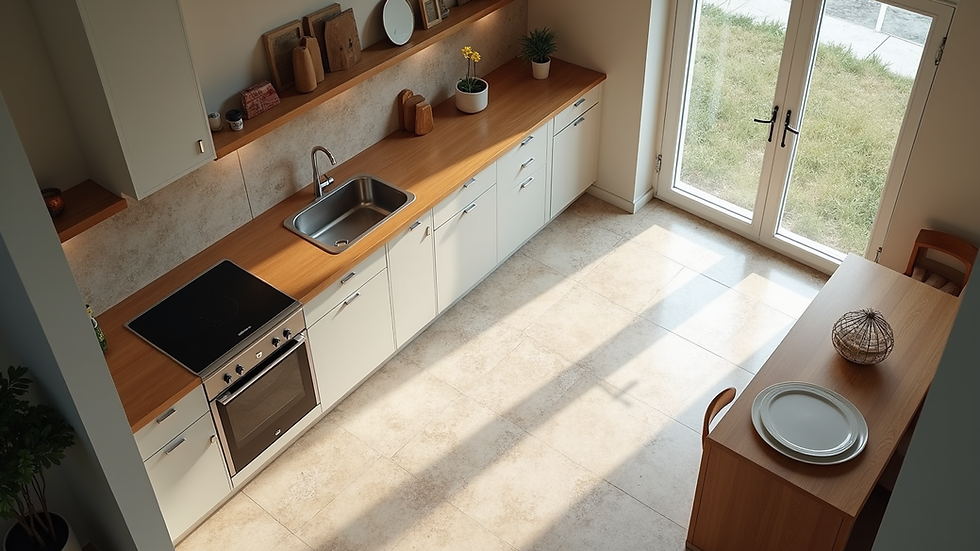
A well-executed kitchen remodel can significantly increase a home's market value. Unique kitchen concepts that emphasize quality craftsmanship and thoughtful design appeal to prospective buyers and homeowners alike. The inclusion of a custom kitchen design ensures that the space meets specific lifestyle requirements, which can differentiate a property in a competitive real estate market.
Moreover, custom kitchens often feature superior materials and finishes compared to standard models. This distinction not only improves durability but also conveys a sense of luxury and attention to detail. Such attributes are highly regarded in upscale residential markets, including Los Angeles.
Investing in a unique kitchen design also enhances daily living experiences. Homeowners benefit from improved organization, efficient workflows, and aesthetically pleasing environments. These factors contribute to overall satisfaction and justify the initial investment.
Strategies for Maintaining and Updating Unique Kitchen Spaces
Maintaining the integrity and appeal of a unique kitchen requires ongoing attention. Regular cleaning and timely repairs prevent deterioration of surfaces and fixtures. For example, sealing natural stone countertops annually preserves their appearance and functionality.
Updating elements such as hardware, lighting, or paint colors can refresh the kitchen without extensive renovations. Swapping cabinet handles or installing new pendant lights are cost-effective methods to introduce subtle changes.
Periodic evaluation of appliance performance and energy consumption is advisable. Upgrading to newer, more efficient models can reduce utility costs and enhance convenience.
Finally, documenting the design and materials used during the initial construction facilitates future maintenance and remodeling efforts. This information assists contractors in making informed decisions that align with the original design intent.
In summary, creating unique spaces with custom kitchen designs involves a careful balance of innovation, personalization, and practicality. By exploring diverse concepts and adhering to best practices, homeowners can achieve kitchens that are both functional and distinctive. Such spaces not only elevate the quality of daily life but also contribute to the long-term value and appeal of the home.


Comments