

Enhance Your Home with Walk-In Shower Advantages
- Feb 9
- 4 min read
The modern home demands both functionality and style, particularly in spaces such as the bathroom. Walk-in showers have emerged as a preferred choice for homeowners seeking to elevate their living environment. Their design simplicity, accessibility, and aesthetic appeal contribute to a significant enhancement of any residential bathroom. This article explores the various advantages of walk-in showers and offers practical insights for those considering this upgrade.
Walk-In Shower Advantages: Practical and Aesthetic Benefits
Walk-in showers provide numerous benefits that extend beyond mere appearance. Their open design eliminates the need for bulky doors or curtains, creating a sense of spaciousness even in smaller bathrooms. This openness facilitates easier cleaning and maintenance, as fewer components are involved.
From a practical standpoint, walk-in showers offer improved accessibility. The absence of a threshold or step makes entry and exit safer and more convenient, particularly for individuals with mobility challenges or the elderly. Additionally, the customizable nature of walk-in showers allows for tailored features such as built-in benches, grab bars, and adjustable showerheads.
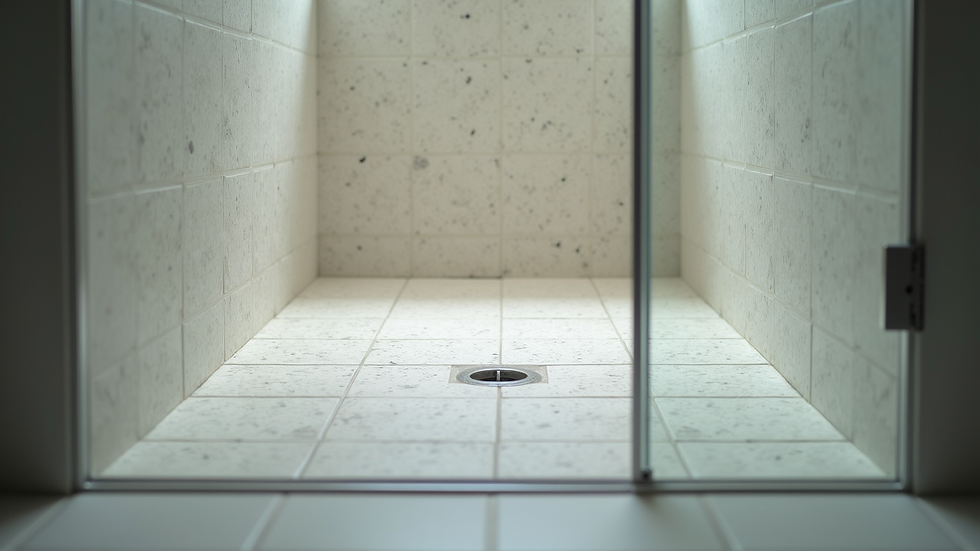
Aesthetically, walk-in showers contribute to a sleek, contemporary look. The use of glass panels and minimalist fixtures enhances natural light flow, making the bathroom feel brighter and more inviting. Materials such as stone tiles or mosaic accents can be incorporated to complement the overall design theme of the home.
Space efficiency: Ideal for both large and compact bathrooms.
Ease of maintenance: Fewer components reduce cleaning time.
Accessibility: Suitable for all ages and abilities.
Customization: Options for seating, storage, and fixtures.
Visual appeal: Enhances light and openness.

Design Considerations for Walk-In Showers in Residential Remodeling
When planning a walk-in shower installation, several design factors warrant careful attention. The choice of materials, layout, and drainage system must align with both functional requirements and aesthetic preferences.
Tile selection plays a crucial role in defining the shower’s character. Porcelain and ceramic tiles offer durability and water resistance, while natural stone provides a luxurious finish. Non-slip surfaces are recommended to enhance safety. The shower floor should be slightly sloped toward the drain to prevent water pooling.
Lighting is another important aspect. Incorporating recessed lighting or waterproof LED fixtures can improve visibility and ambiance. Ventilation must also be addressed to mitigate moisture buildup and prevent mold growth.
The shower enclosure typically consists of frameless or semi-frameless glass panels. Frameless designs are favored for their clean lines and minimal visual obstruction. Hardware finishes such as brushed nickel or matte black can be selected to complement other bathroom fixtures.
It is advisable to consult with experienced professionals to ensure that plumbing and waterproofing meet local building codes and standards. Proper installation guarantees longevity and reduces the likelihood of costly repairs.
Does Lowes Install Walk-In Showers?
For homeowners considering professional assistance, it is pertinent to inquire about service providers’ capabilities. Lowes, a well-known home improvement retailer, offers a range of bathroom remodeling services. However, the availability of walk-in shower installation through Lowes may vary by location and service agreements.
Typically, Lowes provides consultation, product selection, and installation services for standard shower units. For custom walk-in shower projects, it is advisable to verify with the local store or authorized contractors affiliated with Lowes. Engaging with certified professionals ensures adherence to quality standards and proper execution.
In many cases, specialized residential construction companies with expertise in custom bathroom remodeling may offer more tailored solutions. These firms can accommodate unique design preferences and complex installation requirements, delivering a higher level of craftsmanship.
Practical Steps for a Successful Walk-In Shower Installation
The process of upgrading to a walk-in shower involves several stages, each requiring careful planning and execution. The following steps outline a recommended approach:
Assessment and Planning: Evaluate the existing bathroom layout and identify space constraints. Determine desired features and style preferences.
Budgeting: Establish a realistic budget that includes materials, labor, and potential contingencies.
Design Development: Work with designers or contractors to create detailed plans and select appropriate materials.
Permitting: Obtain necessary permits in compliance with local regulations.
Demolition and Preparation: Remove existing fixtures and prepare the area for installation.
Installation: Execute plumbing, waterproofing, tiling, and enclosure setup.
Inspection and Finishing: Conduct final inspections and apply finishing touches such as sealing and hardware installation.
Throughout this process, clear communication with contractors is essential to ensure that expectations are met and timelines are adhered to. Homeowners should also consider future maintenance needs when selecting materials and designs.
For those interested in professional assistance, walk-in shower installation services can provide expert guidance and execution, ensuring a seamless transformation.
Enhancing Home Value and Comfort with Walk-In Showers
Investing in a walk-in shower can yield significant returns in terms of both home value and daily comfort. Real estate professionals often recognize modern, accessible bathrooms as a key selling point. The presence of a well-designed walk-in shower can differentiate a property in a competitive market.
Beyond financial considerations, the enhanced comfort and convenience contribute to improved quality of life. The ease of use and aesthetic appeal create a spa-like atmosphere, promoting relaxation and well-being.
Moreover, walk-in showers align with universal design principles, making the home adaptable to changing needs over time. This adaptability is particularly relevant for aging in place, allowing residents to maintain independence without extensive future renovations.
In summary, the integration of a walk-in shower represents a strategic enhancement that combines style, functionality, and long-term value.
The adoption of walk-in showers in residential remodeling projects reflects a commitment to quality and thoughtful design. By considering the practical advantages and engaging with skilled professionals, homeowners can achieve a bathroom environment that is both elegant and accessible. This approach supports the broader goal of transforming homes into spaces that meet contemporary standards of comfort and sophistication.


Comments